Current funded projects and research work.
Ground-Aerial maps Integration for increased Autonomy outdoors
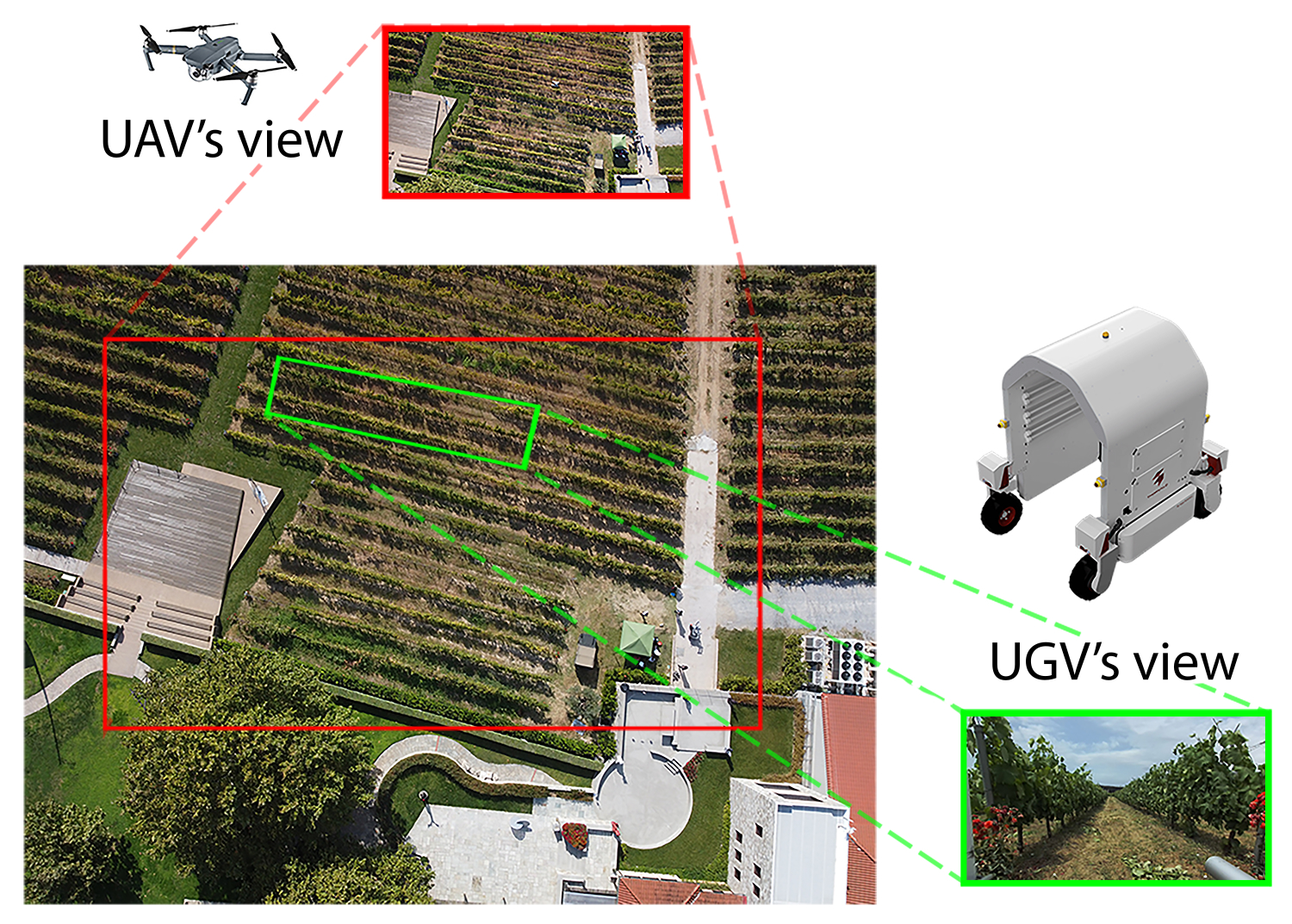
GAIA focuses on multi-robot mapping for agriculture, fusing aerial and ground sensor data to enable fully autonomous robots in complex, dynamic environments. In collaboration with TU Delft, University of Bonn, and ETH Zurich.
Team: Rajitha De Silva (Postdoc), Marija Popovic (TU Delft PI)
Vineyard Information System for Technology and Automation
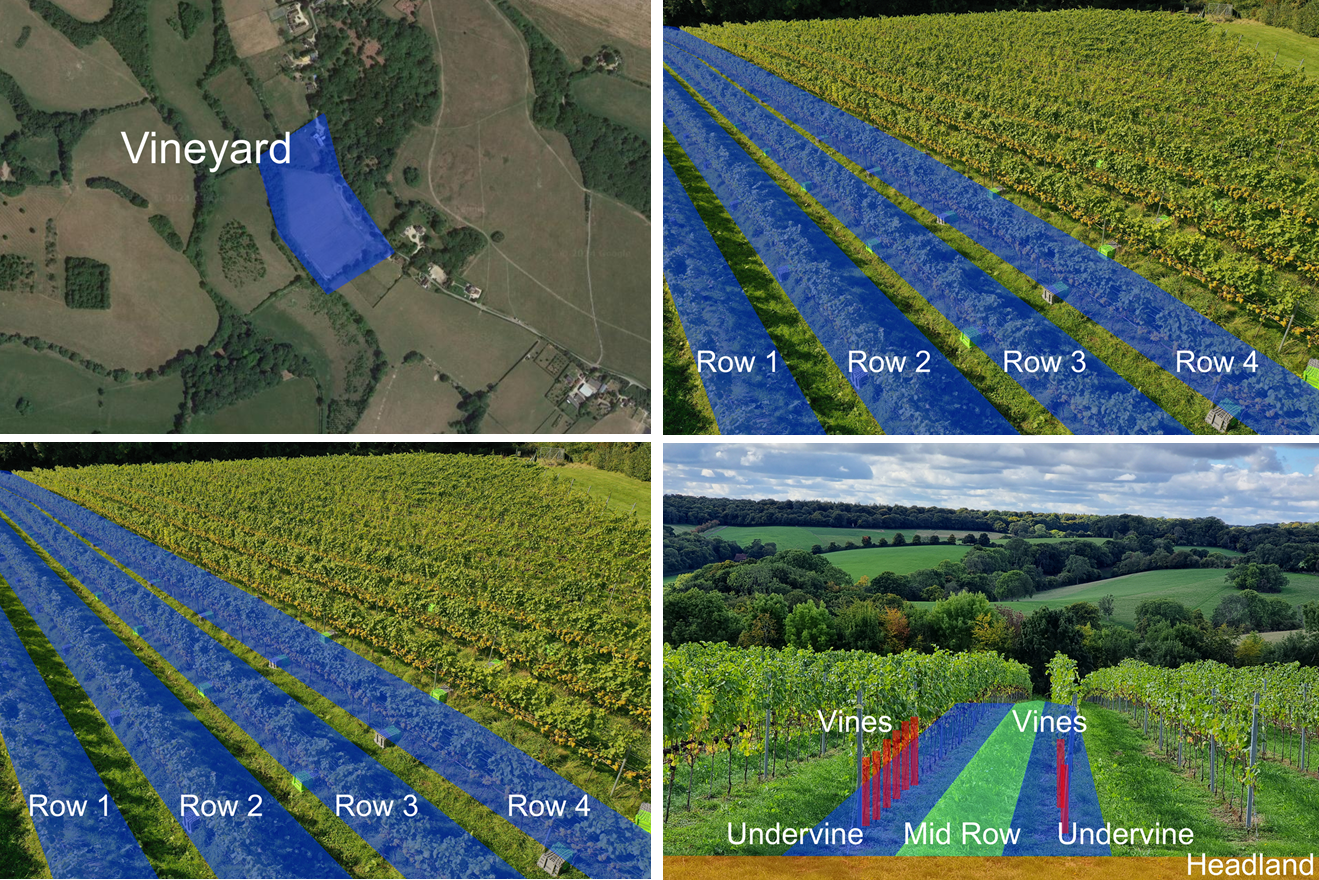
VISTA develops open standards for vineyard data management, integrating drones, ground robots, and handheld sensors into a unified digital twin to support precision viticulture and environmental decision-making.
Team: Jonathan Cox (Postdoc)
The Lincoln Centre for Autonomous Systems RoboCup @Home team. Founded in 2023, LCASTOR placed 9th globally and was the best UK team at RoboCup 2024 in Eindhoven. Focus areas: autonomous navigation, mapping, and task planning.
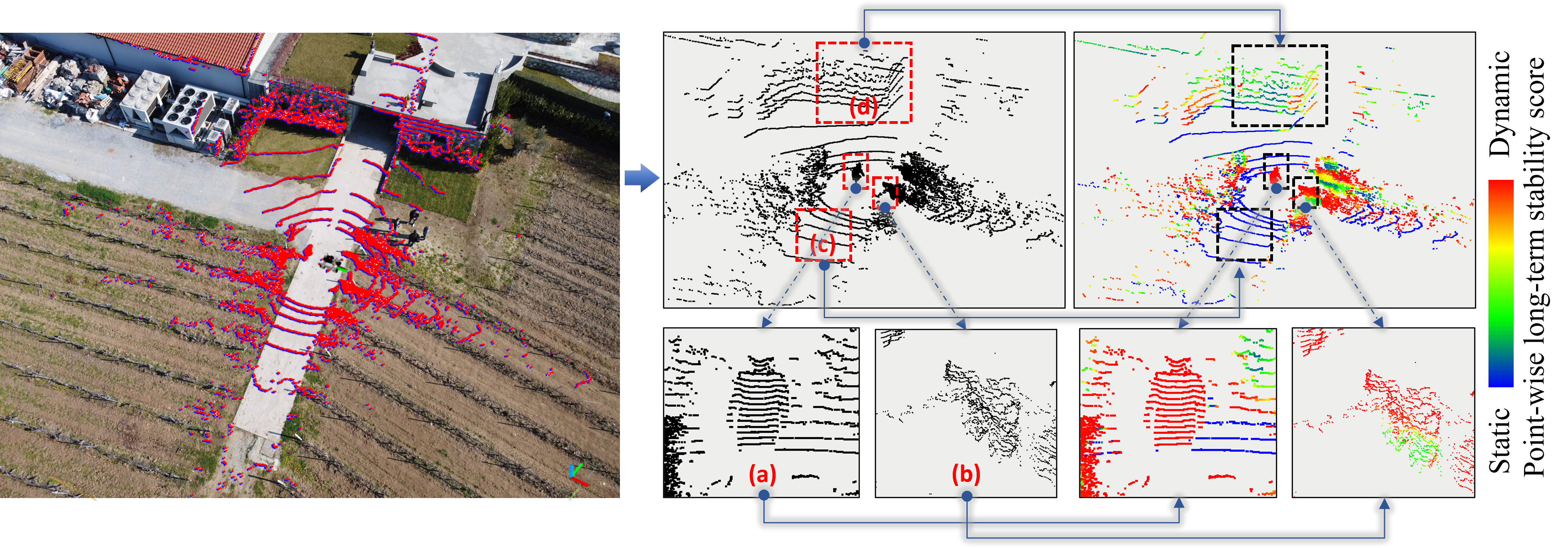
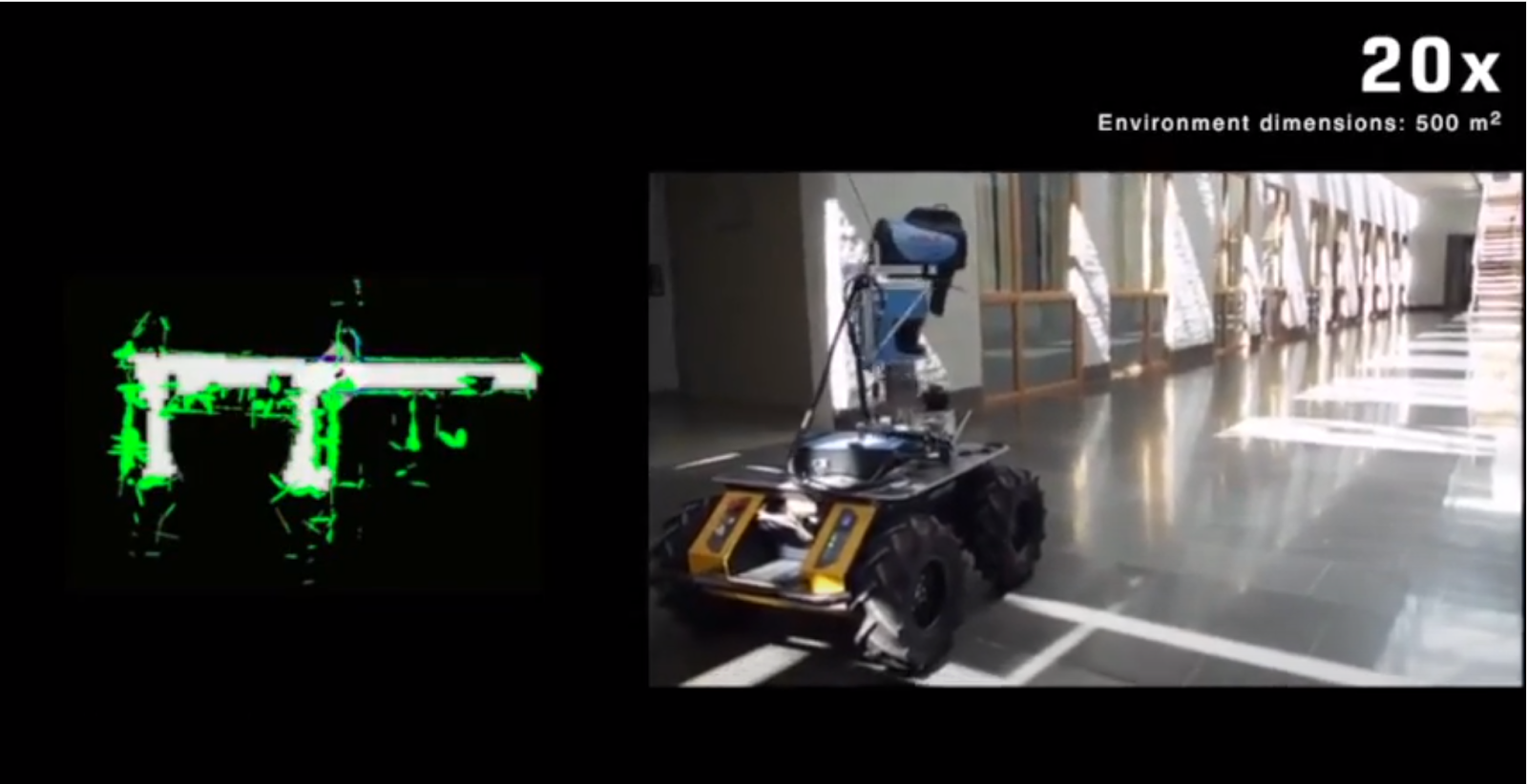
Unsupervised point-wise labelling of LiDAR frames; regression network to learn and infer 3D LiDAR long-term motion status; improved long-term localisation by exploiting stable environmental points.
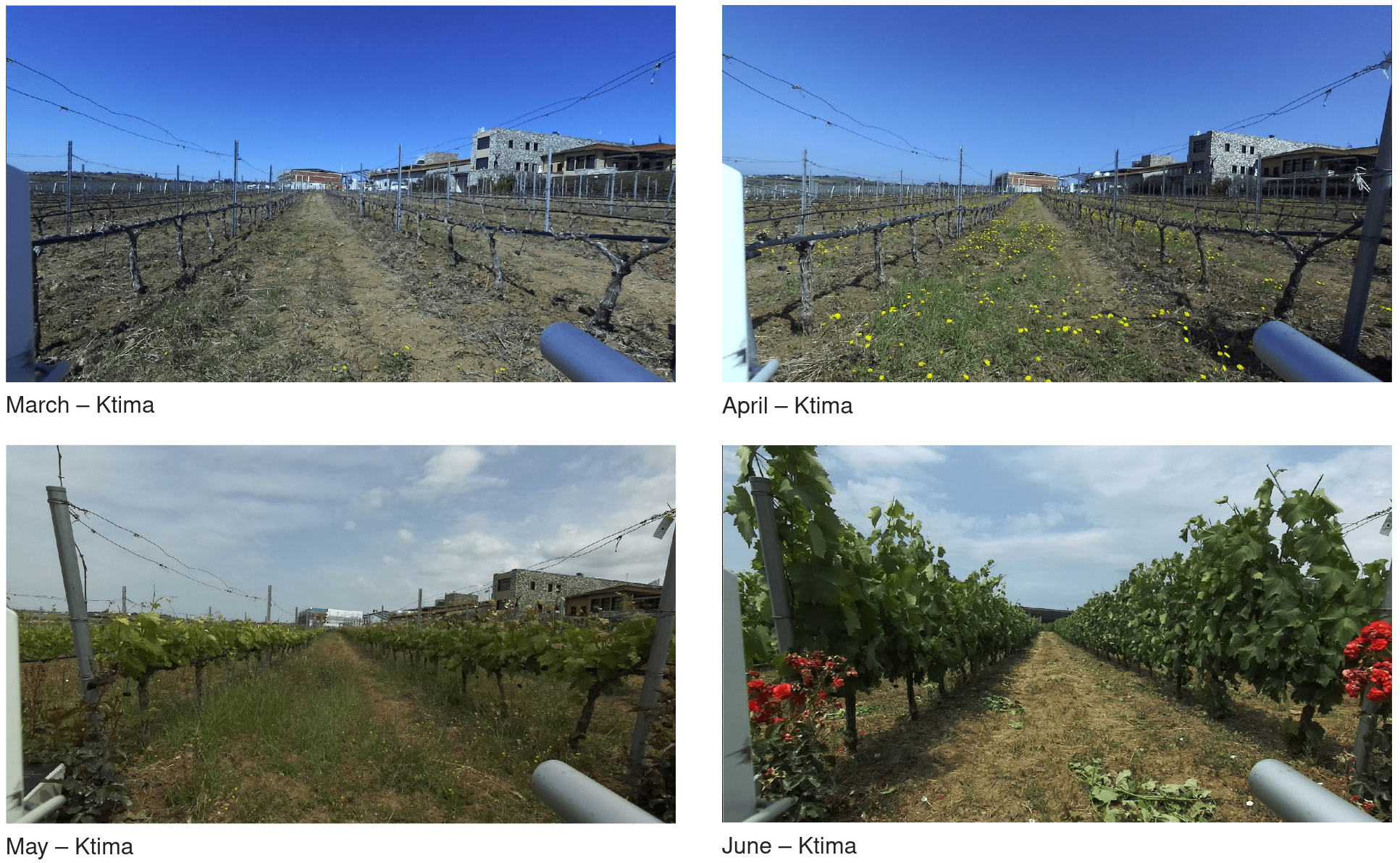
Robust and reproducible navigation plan for data recording; efficient data recording pipeline; resulting 4D dataset for SLAM applications in the agricultural domain (Bacchus Long-Term Dataset).
A robotics framework for people localisation in agricultural environments. Uses a Topological Particle Filter and Next-Best-Sense strategy to reduce uncertainty on human locations, evaluated on a digital twin.
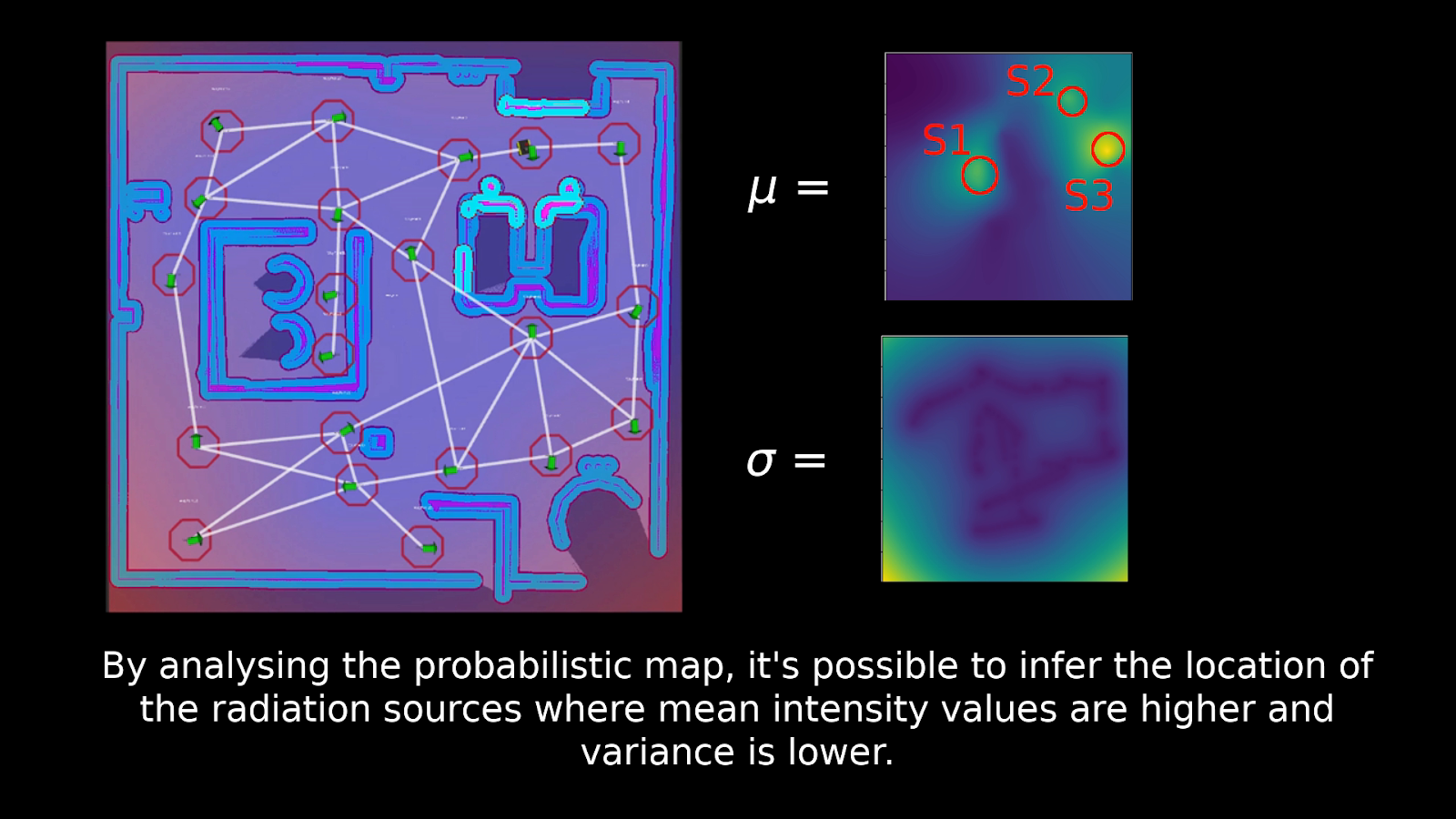
Gaussian Process interpolation of sensor readings to build a probabilistic map; graph-based navigation; Next-Best-Sense strategy for dynamic robot behaviour (attraction/repulsion) for source localisation.
Multi-criteria optimisation with a probabilistic sensor model; balances map coverage speed, travel distance, and tag localisation precision for tracking moving objects with RFID technology.
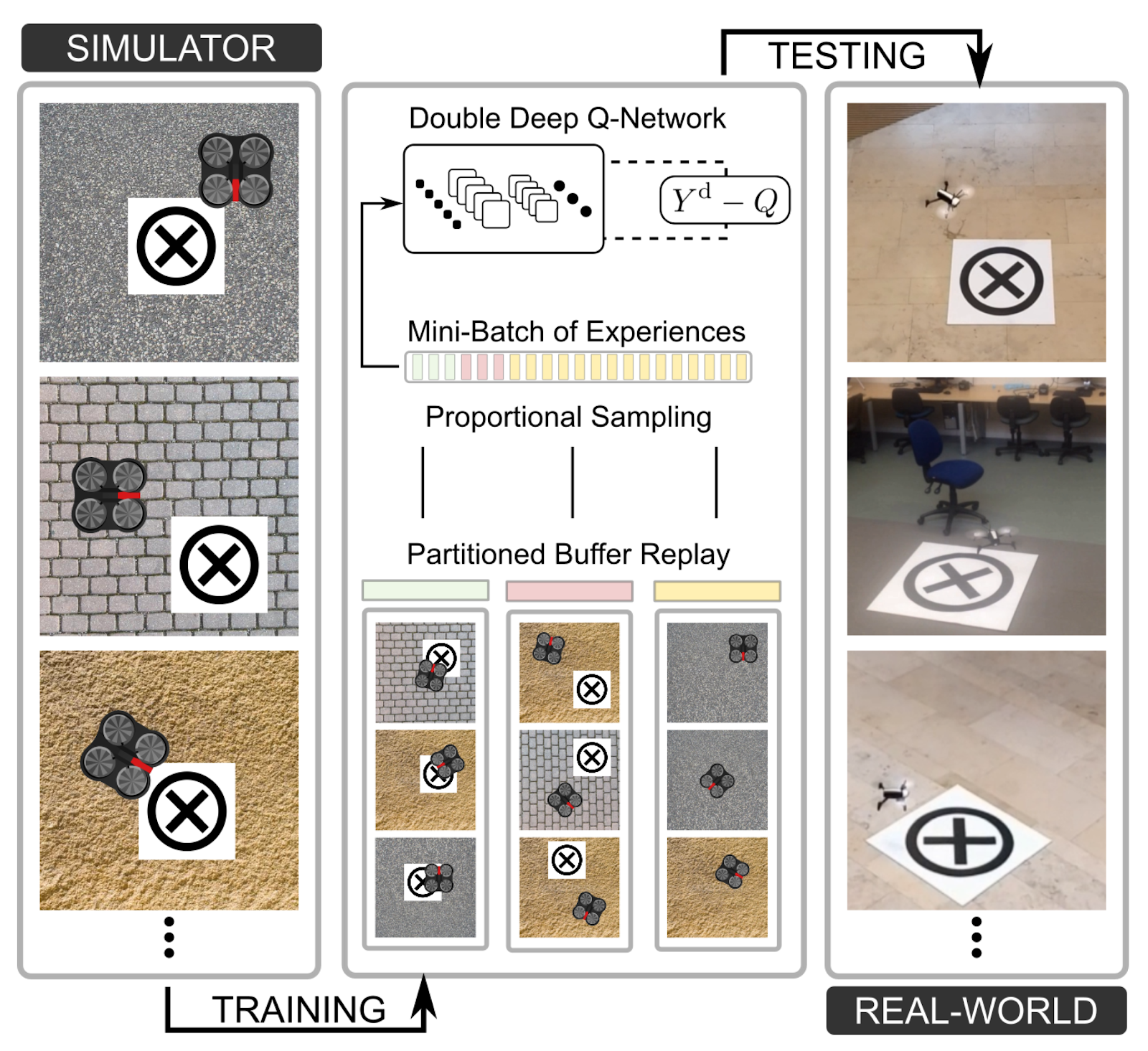
Autonomous drone control based solely on raw pixels (low-res grayscale images); sim-to-real transfer via domain randomisation; achieved human-level performance for landing on a moving vessel.
Next-Best-Smell approach for remote gas source detection using a mobile robot; multi-criteria decision making with online planning; scalable to multiple criteria and environments.